
The world of television viewing has changed quite a bit. Gone are the days when you were tied to a cable box and a limited selection of channels. Now, with the rise of IPTV, or Internet Protocol Television, a vast universe of content is accessible right through your internet connection. This guide aims to help you understand the best IPTV options available, from the basics of how it works to choosing the right provider and setting up your stream.
Key Takeaways
- IPTV delivers television content over the internet, offering an alternative to traditional cable or satellite services.
- A stable, high-speed internet connection is necessary for a good IPTV streaming experience, with at least 15 Mbps recommended.
- Choosing the right IPTV provider involves looking at factors like channel selection, streaming quality, pricing, and customer support.
- Using a VPN is often recommended for privacy and security when using IPTV services, especially unverified ones.
- Best IPTV players are required to access content from providers, and compatibility with your streaming device is important.
Understanding the Basics of IPTV
IPTV, or Internet Protocol Television, is a way to watch television content using your internet connection instead of traditional cable or satellite dishes. Think of it like streaming videos from services you already know, but for live TV channels and a much wider selection of on-demand shows and movies. It’s a modern approach to how we consume television, offering more flexibility and choice.
What is Best IPTV?
At its core, Best IPTV is television delivered over the internet. Instead of signals traveling through the air or underground cables, they travel through your broadband connection. This means you can access a vast array of channels and content from anywhere with a stable internet connection. It’s not just about live channels either; many IPTV services also provide access to movies, TV series, and other video content on demand.
How Does IPTV Work?
IPTV works by sending television signals in data packets over your internet connection. When you select a channel or a show, your IPTV provider sends the content to your device through your internet service. This process is similar to how services like Netflix or YouTube stream video. The data is broken down into packets, sent to your device, and then reassembled by an IPTV player to display the content on your screen. A reliable internet connection is key to this entire process.
Key Features of IPTV Services
IPTV services often come with several attractive features that set them apart from traditional TV. These can include:
- Extensive Channel Selection: Access to thousands of live TV channels from around the globe, often far more than what traditional providers offer.
- On-Demand Content: A library of movies and TV series that you can watch whenever you want.
- Catch-Up TV: The ability to watch programs that have already aired.
- Recording Capabilities: Some services allow you to record live TV to watch later, similar to a DVR.
- Multi-Device Support: Watch on smart TVs, smartphones, tablets, computers, and streaming devices.
Choosing the Best IPTV Provider
When you’re looking to get into IPTV, picking the right provider makes a big difference. It’s not just about getting a lot of channels; it’s about getting them reliably and in good quality. Think about what you actually want to watch – do you need live sports, international news, or a huge library of movies and shows? Not all services are created equal, and some might focus more on one area than another. It’s worth checking out what each provider offers before you commit to a subscription.
Factors to Consider When Selecting a Provider
When you’re shopping around for an IPTV service, there are a few key things to keep in mind. First off, check the channel selection. Does it have the live TV channels, sports packages, or specific content you’re interested in? Next, look at the streaming quality. Most good providers will offer HD or even 4K, but it’s important to see if they can deliver that consistently without a lot of buffering. Reliability is also a big one; you don’t want your service cutting out during an important game or movie. Customer support is another factor – if something goes wrong, you’ll want to be able to get help easily. Finally, consider the price. You can find some affordable IPTV options, but always compare what you get for your money. Some providers might offer introductory deals or longer-term subscription discounts.
Comparing IPTV Service Providers
To help you sort through the options, it’s useful to compare providers side-by-side. You can look at things like the number of channels, the availability of on-demand content (movies and TV shows), and whether they offer features like DVR or multi-device support. Pricing structures can vary a lot, so pay attention to monthly costs versus annual plans. Some services might have a cleaner interface or a more user-friendly app, which can also be a deciding factor. Remember, many providers offer free trials, which are a great way to test out the service before you pay.
Here’s a quick look at some popular choices:
| Provider | Price (per month) | Streaming Quality | Channel Count | On-Demand Content |
|---|---|---|---|---|
| GOLD IPTV | $12 | 4K/FHD/HD | 70,000+ | 130,000+ |
| StreamQ TV | $12 | 4K/FHD/HD | 25,000+ | 90,000+ |
| KING IPTV | $14 | 4K/FHD/HD | 70,000+ | 100,000+ |
| Xtreme HD IPTV | $16 | 4K/FHD/HD | 20,000+ | 70,000+ |
Top IPTV Providers for 2025
When looking for the top IPTV services for 2025, several providers stand out for their performance and content. Layerseven TV, for instance, is often cited for its impressive channel lineup and smooth streaming experience, with many users reporting no buffering issues at all. They also provide a good amount of on-demand content. Other high-quality IPTV providers include StreamQ TV and StreamHut, which offer a solid mix of live channels and VOD. It’s always a good idea to check for current IPTV subscription deals, as these can offer significant savings. While some might claim ‘gold iptv is the best‘, it’s wise to do your own research and see which service genuinely fits your viewing habits and budget. Trying out a free trial is the best way to confirm if a provider meets your expectations.
Essential Requirements for IPTV Streaming
To effectively stream live TV online using IPTV, several components must be in place. Think of it like building a sturdy bridge; each part needs to be solid for the whole structure to work. Without the right setup, your viewing experience can quickly turn into a frustrating cycle of buffering and dropped connections.
High-Speed Internet Connection
This is arguably the most critical piece of the puzzle. IPTV relies entirely on your internet connection to deliver content. If your broadband is slow or unstable, you’re going to have a bad time. For standard High Definition (HD) streaming, a speed of at least 10 Mbps is generally recommended. If you plan on watching content in 4K Ultra HD, you’ll want to aim for 25 Mbps or higher. Anything less, and you might find yourself staring at a loading spinner more than the actual show.
Choosing the Right Streaming Device
IPTV is quite flexible when it comes to the devices you can use. You’re not limited to just one option. Many people use smart TVs, but you can also stream on smartphones, tablets, laptops, or dedicated streaming sticks and boxes. Popular choices include devices like the Amazon Fire TV Stick, Android TV boxes, or even devices like the Apple TV. The key is to ensure your chosen device is compatible with the IPTV player you intend to use.
Understanding IPTV Players
An IPTV player acts as the intermediary between your IPTV service provider and your streaming device. It’s the software that decodes the stream from your provider and displays it on your screen. There are many players available, some free and some with premium features. Popular examples include IPTV Smarters Pro, TiviMate, and VLC Media Player. Each player has its own interface and features, so it’s worth trying a few to see which one best suits your needs and works well with your chosen provider.
Navigating the IPTV Landscape
When you start looking into IPTV, you’ll quickly see there are a lot of options, and not all of them are straightforward. It’s important to know what you’re getting into.
Verified vs. Unverified IPTV Services
This is a big one. Some IPTV services operate in a bit of a gray area, meaning they might not have the proper rights to all the content they offer. International laws on this can be pretty confusing. Services that seem a little too good to be true, or have names that are very similar to well-known providers, could be scams. Always be careful when you sign up and share your personal information. It’s best to stick with providers that are clear about their content licensing.
The Role of VPNs in IPTV
Using a Virtual Private Network (VPN) is often recommended when using IPTV. A VPN can hide your internet activity from your Internet Service Provider (ISP), government agencies, and potential hackers. It adds a layer of privacy and security to your online streaming. Think of it as a way to keep your viewing habits private.
Addressing IPTV Challenges
IPTV isn’t without its hurdles. Your streaming quality is totally dependent on your internet connection. If your Wi-Fi is weak or your broadband is unreliable, you’re going to have a bad time, with lots of buffering. Unlike cable TV, where a weather issue might just affect a few channels, a bad internet connection with IPTV can mean no service at all. You’ll need a decent internet speed – at least 10 Mbps for HD and around 25 Mbps for 4K. Also, not all providers are created equal. Some offer smooth streaming, while others are full of glitches and downtime, especially during peak hours. Choosing a provider with good reviews and solid customer support really makes a difference. Finally, some people use multiple providers to get more channels, but this can get complicated and expensive fast. It’s often better to find one good service that meets your needs.
Setting up IPTV can sometimes feel a bit overwhelming if you’re not very tech-savvy. There’s a learning curve with the apps, playlists, and different streaming formats. Good customer support can be a lifesaver when you run into issues.
Maximizing Your IPTV Experience
So, you’ve got your IPTV service picked out and your streaming device ready to go. That’s great! But how do you make sure everything runs smoothly and you get the most out of your subscription? It’s not just about having the service; it’s about using it right. Think of it like having a fancy new kitchen gadget – you need to know how to use it to really appreciate it.
Tips for Seamless Streaming
Getting a good stream without constant interruptions is the goal, right? Here are a few things that really help:
- Check your internet speed regularly. Even if it was fast last week, things can change. A quick speed test can tell you if you’re still getting what you pay for from your internet provider.
- Position your router wisely. Don’t hide it in a closet or behind a bunch of metal. Giving it some open space, maybe even a bit higher up, can really improve your Wi-Fi signal strength.
- Limit other internet activity when streaming. If someone else in the house is downloading huge files or having a video conference, it can hog bandwidth. Try to coordinate so your streaming time doesn’t clash with heavy internet use by others.
- Consider a wired connection. If possible, plugging your streaming device directly into your router with an Ethernet cable is almost always more stable than Wi-Fi. It cuts out a lot of potential interference.
Sometimes, the simplest fixes make the biggest difference. Don’t overlook the basics when you’re trying to get your stream to work perfectly.
Troubleshooting Common IPTV Issues
Even with the best setup, you might run into problems. Here’s how to tackle some common ones:
- Buffering: This is the most common complaint. First, check your internet speed. If that’s okay, try restarting your router and modem. Sometimes, simply closing and reopening your IPTV player app can fix it. If it’s a specific channel, that channel might be having temporary issues.
- App Crashing or Freezing: Make sure your IPTV player app is updated to the latest version. Clearing the app’s cache and data (usually found in your device’s app settings) can also help. If the problem persists, try uninstalling and reinstalling the app.
- No Picture or Sound: Double-check your device’s HDMI connection and ensure the correct input is selected on your TV. Restarting the streaming device itself is also a good first step. If it’s just one channel, it’s likely an issue with the source stream.
- Error Messages: Note down any error messages you see. A quick search online for that specific error code can often point you to a solution, or you might need to contact your IPTV provider’s support.
Ensuring a Secure IPTV Setup
Security is important, especially when you’re dealing with online services. Here’s how to keep your IPTV experience safe:
- Use a reputable IPTV provider. Stick to providers that have good reviews and a clear history. Avoid services that seem too good to be true or operate in shady ways, as they might be scams or offer compromised services.
- Consider using a VPN. While not always strictly necessary for all services, a Virtual Private Network (VPN) can add a layer of privacy and security. It encrypts your internet traffic, making it harder for anyone to monitor your online activity. This is especially useful if you’re concerned about your ISP tracking your streaming habits or if you’re using public Wi-Fi.
- Protect your login credentials. Treat your IPTV username and password like you would any other important online account. Use a strong, unique password and don’t share it with anyone. If your provider offers two-factor authentication, enable it.
- Be cautious with third-party apps and add-ons. Only download IPTV players or any related software from official app stores or trusted sources. Unofficial sources can sometimes contain malware or compromise your device’s security.
Exploring IPTV Content and Features
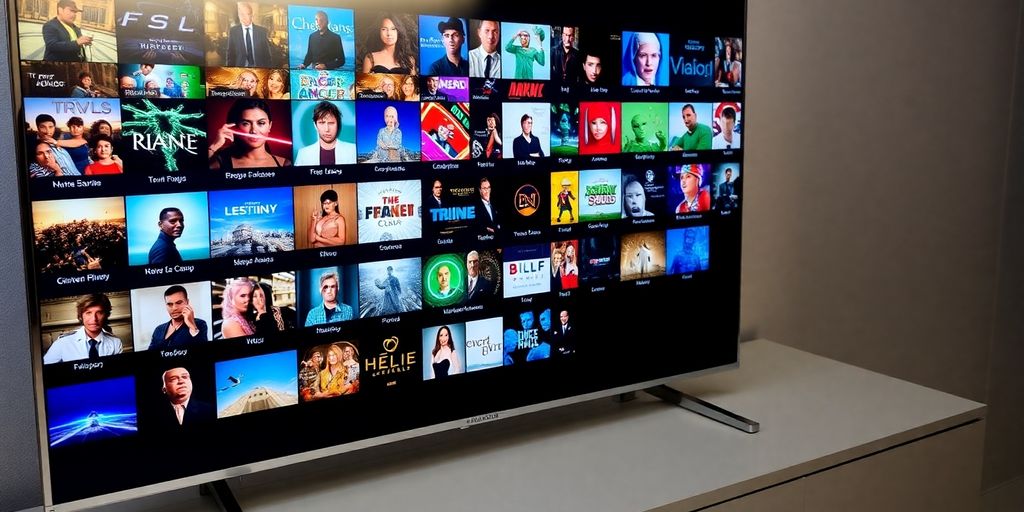
IPTV services really open up a world of entertainment, going way beyond what traditional cable can offer. It’s not just about watching TV anymore; it’s about how and what you watch.
Accessing Live TV Channels
One of the main draws of IPTV is the sheer volume of live TV channels available. You can find everything from major sports networks and breaking news channels to niche entertainment and international programming. Many providers boast access to thousands of channels, often far exceeding what’s available through standard cable packages. This means you can tune into live events, catch up on daily news from around the globe, or explore different cultures through their television broadcasts.
On-Demand Content Availability
Beyond live broadcasts, IPTV services typically offer a robust library of on-demand content. This includes movies, TV series, documentaries, and more, allowing viewers to watch what they want, when they want. Think of it like having a massive digital library at your fingertips. You can binge-watch entire seasons of popular shows or catch up on films you might have missed in theaters. The convenience of accessing this content without commercials, or at least with fewer interruptions, is a significant advantage.
Utilizing Advanced Features like DVR
Many IPTV providers also include advanced features that make the viewing experience more flexible. A common and highly useful feature is the Digital Video Recorder (DVR) functionality. This allows users to record live TV programs and watch them later, much like traditional DVR services. You can pause live TV to grab a snack or take a call, rewind to catch a missed moment, or even fast-forward through commercials if the content allows. Some services also offer pay-per-view (PPV) options for special events like major sports matches or concerts, letting you pay only for the specific content you want to watch.
Wrapping Up Your IPTV Journey
So, that’s the rundown on getting started with IPTV. It really offers a different way to watch TV, giving you more choices and often saving money compared to old cable setups. Finding the right provider means looking at what channels you want, how good the picture quality is, and if the service works with your devices. Remember to check compatibility with your player and device before signing up. While it might seem a bit much at first, especially with needing a good internet connection and maybe a VPN, the flexibility and content variety are pretty great. We hope this guide helped clear things up and pointed you in the right direction for your own IPTV setup.
Frequently Asked Questions
What exactly is IPTV?
IPTV, which stands for Internet Protocol Television, is a way to watch TV channels and shows using your internet connection instead of traditional cable or satellite dishes. It’s like getting your favorite TV programs delivered straight to your screen through the web.
How does IPTV deliver TV content?
IPTV works by sending TV signals over the internet. When you choose an IPTV provider, you’ll typically use a special app or program called an IPTV player on your device. You’ll then enter some information given by your provider into the player, and it will let you stream live TV, movies, and other shows.
What kind of internet speed do I need for IPTV?
To enjoy IPTV, a fast and stable internet connection is crucial. Most providers suggest at least 15 Megabits per second (Mbps) for smooth High Definition (HD) streaming. Without enough speed, you might experience constant stopping and starting, known as buffering.
Is it a good idea to use a VPN with IPTV?
Yes, using a Virtual Private Network (VPN) is often recommended when using IPTV services. A VPN helps keep your online activity private by hiding your internet address. This can protect you from your internet provider or others seeing what you’re watching and can help bypass certain online restrictions.
What should I look for when picking an IPTV provider?
When selecting an IPTV provider, think about the number and type of channels they offer, the quality of the stream (like HD or 4K), how much content is available on demand (movies and shows you can watch anytime), and the price. Also, check if they have good customer support in case you run into problems.
What’s the difference between verified and unverified IPTV services?
Some IPTV services are found in official app stores like Google Play or the Amazon Appstore, making them easier to install. Others are not available in these stores and need to be installed manually, often called ‘side-loading.’ Verified services are generally considered safer and more reliable.