
What is IPTV and how i can use it in 2025 ?
In today’s rapidly changing media landscape, understanding new ways to access television content is becoming increasingly important. Internet Protocol Television, or IPTV, has emerged as a popular alternative to traditional cable and satellite services. This method of delivering TV programs over the internet offers flexibility and often cost savings. As we look towards 2025, exploring what IPTV entails and how to best utilize it can open up a world of viewing options, including premium services like GOLD IPTV.
Key Takeaways
- IPTV delivers television content via the internet, offering a modern alternative to cable and satellite.
- Choosing between verified providers found in app stores and unverified ones is important for service quality and safety.
- A stable internet connection and a compatible streaming device are necessary for a good IPTV experience.
- Using a VPN can improve security and privacy when streaming IPTV content.
- GOLD IPTV provides a premium viewing experience with a wide range of content and features.
Understanding Internet Protocol Television (IPTV)
What IPTV Entails
Internet Protocol Television, or IPTV, is a way of watching television programs using your internet connection. Instead of relying on traditional cable or satellite dishes, IPTV sends TV signals directly through the internet. This method has become quite popular because it often costs less than older ways of getting TV. Think of it like streaming a movie on Netflix, but for live TV channels. You connect to a service provider’s server, and they send the channels to your device. This shift means you can get your favorite shows and live events delivered right to your screen without needing bulky equipment.
The Shift from Traditional Broadcasting
For a long time, cable and satellite were the main ways to watch TV. They used specific wires and signals to get channels to your home. But with faster internet speeds becoming common, there’s no longer a need for those older systems. High-speed internet can now handle delivering live TV channels, often in high definition. This makes it easier and more convenient for people to switch. It’s a move away from fixed schedules and limited channel options towards a more flexible viewing experience.
Cost Savings with IPTV
One of the biggest reasons people are switching to IPTV is the potential for significant savings. Many IPTV services are considerably more affordable than traditional cable or satellite packages. Users can often save hundreds of dollars each year by cutting the cord and opting for an internet-based TV solution. This cost-effectiveness makes IPTV an attractive option for many households looking to reduce their monthly expenses without sacrificing their favorite entertainment.
| Service Type | Typical Monthly Cost | Potential Annual Savings |
|---|---|---|
| Traditional Cable | $100 – $150 | N/A |
| Traditional Satellite | $90 – $140 | N/A |
| IPTV Service | $20 – $60 | $600 – $1,200+ |
Note: Costs are estimates and can vary based on provider and package.
Navigating the IPTV Service Landscape
When looking into IPTV, you’ll find a wide variety of services available. It’s important to know that not all providers are the same, and understanding the differences can help you make a better choice. The market includes both legitimate, verified providers and those that operate in a less regulated space.
Verified vs. Unverified Providers
Verified IPTV providers are typically found in official app stores, like those on smart TVs or streaming devices. These services have gone through a review process and are generally considered more reliable and safer to use. Examples include well-known streaming platforms that offer live TV channels.
Unverified providers, on the other hand, are often found through third-party websites or direct downloads. While they might offer a broader range of channels or lower prices, they also come with potential risks. These can include inconsistent service, lower video quality, or even security concerns. It’s often recommended to use a VPN when accessing unverified services.
Key Features of IPTV Services
IPTV services can differ significantly in what they offer. Here are some common features to look out for:
- Channel Selection: The number and type of channels available vary greatly. Some focus on specific genres, while others aim for a broad mix.
- Video Quality: While many services offer HD or even 4K streaming, quality can depend on your internet connection and the provider’s infrastructure.
- Device Compatibility: Check if the service works on the devices you plan to use, such as smart TVs, smartphones, tablets, or streaming boxes.
- User Interface: A clean and easy-to-use interface makes finding and watching content much simpler.
- Additional Features: Some services include features like Electronic Program Guides (EPG), Video on Demand (VOD), or catch-up TV.
Exploring Different IPTV Formats
IPTV isn’t just one type of service; it comes in various formats. Understanding these can help you find what best suits your viewing habits:
- Live TV Streaming: This is the most common format, offering real-time broadcasts of television channels, much like traditional cable.
- Video on Demand (VOD): This format provides access to a library of movies and TV shows that you can watch anytime, similar to services like Netflix.
- Catch-Up TV: Some services allow you to watch programs that have already aired, usually within a specific timeframe after their original broadcast.
Choosing an IPTV service involves weighing the convenience and cost against the potential risks associated with less regulated options. Always consider the provider’s reputation and the security measures you can take.
Essential Requirements for IPTV Streaming
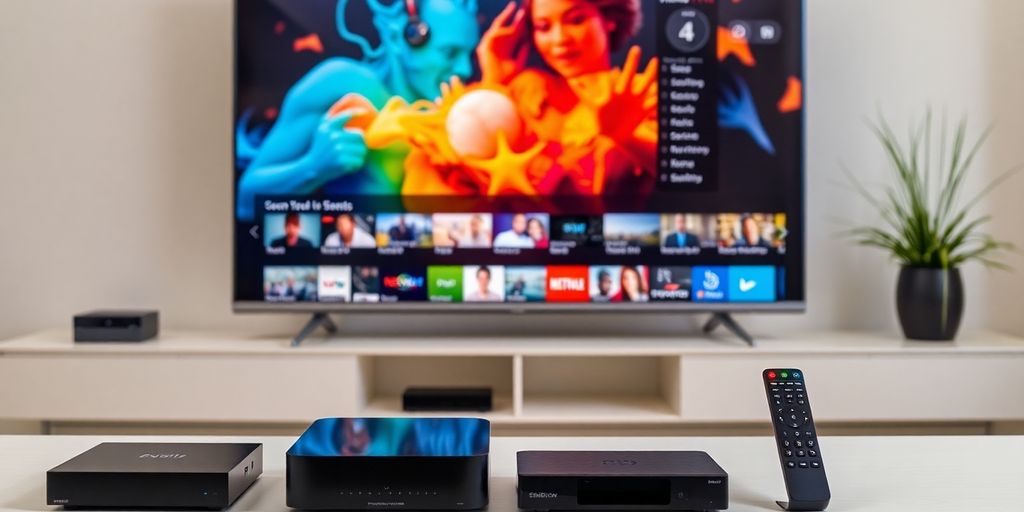
To get started with IPTV, you’ll need a few things in place to make sure your viewing experience is smooth and enjoyable. It’s not just about picking a service; the underlying technology and your setup play a big part. Think of it like setting up a new TV – you need the right connections and a good signal.
Internet Speed Considerations
IPTV relies entirely on your internet connection to deliver video streams. Unlike traditional cable TV, where the signal comes through a dedicated line, IPTV uses your broadband. This means the quality and stability of your internet are paramount. For a good experience, especially with high-definition (HD) or 4K content, a faster connection is better. Most services recommend a minimum speed to avoid constant buffering or pixelation.
Here’s a general guideline for internet speeds:
| Content Quality | Recommended Speed |
|---|---|
| Standard Definition (SD) | 5-10 Mbps |
| High Definition (HD) | 15-25 Mbps |
| 4K Ultra HD | 25-50 Mbps+ |
It’s a good idea to test your current internet speed using online tools like Speedtest.net or Fast.com. This will give you a clear picture of what you’re working with and whether you might need to upgrade your internet plan.
Choosing the Right Streaming Device
Once your internet is sorted, you need a device to actually watch the IPTV streams on. There are many options available, and the best choice often depends on your budget and what you already own.
- Smart TVs: Many modern smart TVs have built-in apps or web browsers that can access IPTV services. Some might even have dedicated IPTV apps available.
- Streaming Sticks/Boxes: Devices like Amazon Fire TV Stick, Roku, Apple TV, and Android TV boxes are very popular. They are relatively inexpensive and offer a lot of flexibility, often allowing you to install third-party apps needed for certain IPTV services.
- Computers: You can also stream IPTV directly on a laptop or desktop computer using a web browser or a dedicated media player application.
- Smartphones and Tablets: Most IPTV services offer mobile apps, making them a convenient option for watching on the go.
When selecting a device, consider its operating system and app support. Android-based devices are often favored because they tend to be more open to installing various applications, including those not found in official app stores.
The Role of IPTV Boxes
Sometimes, you’ll hear about specific “IPTV boxes.” These are essentially dedicated streaming devices, often running on Android, that are pre-configured or designed to work well with IPTV services. They might come with specific IPTV player apps already installed or have features that make managing M3U playlists and EPG data easier.
While you can use many general-purpose streaming devices, a dedicated IPTV box can sometimes simplify the setup process. They are designed with IPTV in mind, potentially offering a more streamlined user experience. However, it’s important to research these boxes, as quality and features can vary widely. Some might be generic Android boxes, while others might be more specialized.
Setting up IPTV involves more than just subscribing to a service. Ensuring you have a stable, fast internet connection and a compatible device to stream on are the first steps to a good viewing experience. Without these basics, even the best IPTV service won’t perform well.
Optimizing Your IPTV Experience
Utilizing VPNs for Enhanced Security
When you’re streaming IPTV, especially from less common providers, using a Virtual Private Network (VPN) is a smart move. A VPN helps keep your online activity private by masking your IP address. This means your Internet Service Provider (ISP) can’t easily see what you’re doing online, which can prevent them from slowing down your connection if they detect streaming traffic. It also adds a layer of protection against potential online threats, keeping your personal information safer.
Tips for Smooth Streaming
Getting the best viewing experience often comes down to a few simple adjustments. First, make sure your internet connection is up to par; for high-definition streaming, a speed of at least 20 Mbps is generally recommended. Keeping your IPTV application updated is also important, as updates often fix bugs and improve performance. Regularly clearing your device’s cache can help prevent slowdowns and crashes. It’s also wise not to overload your home network by streaming on too many devices at once, as this can lead to buffering. Using modern, capable hardware, like a recent streaming stick or smart TV, can also make a big difference compared to older devices that might struggle.
Troubleshooting Common IPTV Issues
Sometimes, streams might stutter, freeze, or fail to load altogether. If you encounter buffering, the first thing to check is your internet speed and ensure no other devices are hogging bandwidth. Restarting your streaming device and your router can often resolve temporary glitches. If a specific channel isn’t working, it might be an issue with the provider’s server, and trying again later might help. For persistent problems with an app, clearing its cache or even uninstalling and reinstalling it can sometimes fix things. Always ensure you’re running the latest version of your IPTV app, as developers frequently release updates to address known issues.
Selecting the Best IPTV Service for Your Needs
Choosing the right IPTV service can feel like a big decision, especially with so many options out there. It’s not just about finding a service with a lot of channels; you need to think about what actually fits your viewing habits and budget.
Factors to Consider When Choosing
When you’re looking for an IPTV provider, there are several things to keep in mind. Think about the types of channels you watch most often. Do you need a wide variety of sports, or are you more interested in movies and TV shows? Also, consider the quality of the streams. Some services might offer thousands of channels, but if they buffer constantly or the picture quality is poor, it’s not a good experience. Reliability is key; you want a service that’s up and running when you want to watch.
Evaluating Channel Lineups and Content
It’s important to look closely at what each service actually provides. A detailed channel list is helpful, but don’t stop there. Check if they offer Electronic Program Guides (EPG), which makes it easier to see what’s on. Some services also include Video on Demand (VOD) libraries with movies and TV series, which can be a nice bonus. If you’re a sports fan, make sure they cover the leagues or events you follow.
Understanding Subscription Models
IPTV services usually come with different subscription plans. You might find monthly, quarterly, or yearly options. Often, longer commitments come with a discount, but it’s wise to start with a shorter period to test the service first. Some providers might also offer different tiers based on the number of simultaneous connections you need or the streaming quality (like SD, HD, or 4K). Always check the terms and conditions before signing up for anything long-term.
Picking an IPTV service requires a bit of research. Don’t just go for the cheapest option or the one with the most channels advertised. Think about your personal viewing needs and what makes a good streaming experience for you.
Leveraging GOLD IPTV for Premium Viewing
When looking for a top-tier IPTV experience, GOLD IPTV often comes up. It’s positioned as a service that provides a wide array of channels and features, aiming for a high-quality viewing session. For those who want more than just basic live TV, services like GOLD IPTV try to offer a more complete package.
Discovering GOLD IPTV Benefits
GOLD IPTV aims to stand out by offering a large number of channels, often in the thousands, covering a broad spectrum of interests. Many users report that the service provides access to both local and international channels, which is a big plus for viewers with diverse tastes. Additionally, some plans might include a significant amount of Video On Demand (VOD) content, meaning you get access to a library of movies and TV shows to watch whenever you like. The availability of Pay-Per-View (PPV) events can also be a draw for sports fans or those interested in special broadcasts.
Accessing GOLD IPTV Content
Getting started with GOLD IPTV typically involves a few steps. First, you’ll need to choose a subscription plan that fits your needs. These plans can vary in price and the number of simultaneous connections allowed. Once subscribed, you’ll usually receive login details and possibly an M3U URL or access to a dedicated app. This information is then used to set up the service on your chosen streaming device, whether that’s a smart TV, a streaming stick, or a dedicated IPTV box. It’s important to check what devices the service officially supports to avoid compatibility issues.
Maximizing Your GOLD IPTV Subscription
To get the most out of your GOLD IPTV subscription, consider how you plan to use it. If you have multiple people in your household who want to watch different things at the same time, look for a plan that allows multiple connections. Also, keep an eye on the channel list and VOD library to make sure it aligns with your viewing habits. Some services offer trials, which can be a good way to test the quality and content before committing to a longer subscription. Paying attention to customer support options is also wise; knowing you can get help if something goes wrong is reassuring.
Wrapping Up Your IPTV Journey
So, that’s the lowdown on IPTV. It’s pretty clear that this way of watching TV is here to stay, offering a more budget-friendly and flexible alternative to traditional cable. Whether you’re looking for live sports, international channels, or just a simpler way to get your favorite shows, IPTV has options. Just remember to do your homework on providers and consider using a VPN for a smoother, more secure experience. It might seem a little technical at first, but most people find it pretty straightforward once they get the hang of it. Give it a try; you might be surprised at how much you like it.
Frequently Asked Questions
What exactly is IPTV?
IPTV, or Internet Protocol Television, is a way to watch TV shows and movies using your internet connection instead of traditional cable or satellite dishes. It’s like streaming services, but often focused on live TV channels.
How does one typically use IPTV?
To use IPTV, you generally need a good internet connection, a compatible device like a smart TV, smartphone, or a special IPTV box, and a subscription to an IPTV service. You’ll usually download an app to watch.
Is IPTV more affordable than cable TV?
IPTV services can be much cheaper than cable or satellite TV, potentially saving users a lot of money each year. The cost varies depending on the service and the channels offered.
Can I watch IPTV on my smartphone?
Yes, most IPTV services offer apps for both Android and iOS phones, allowing you to watch live TV and on-demand content wherever you go. Using a VPN is recommended on public Wi-Fi for security.
Should I be careful about which IPTV provider I choose?
While there are many IPTV providers, it’s important to choose verified services that are available in official app stores. Unverified services might be less reliable or pose security risks.
What internet speed is needed for good IPTV streaming?
To ensure smooth streaming, a stable internet connection with a speed of at least 20 Mbps is recommended for HD quality. Using a VPN can also help improve your streaming experience by bypassing ISP throttling.